
We explore the importance, and frequent under-appreciation, of pre-construction in shaping well-executed custom homes.
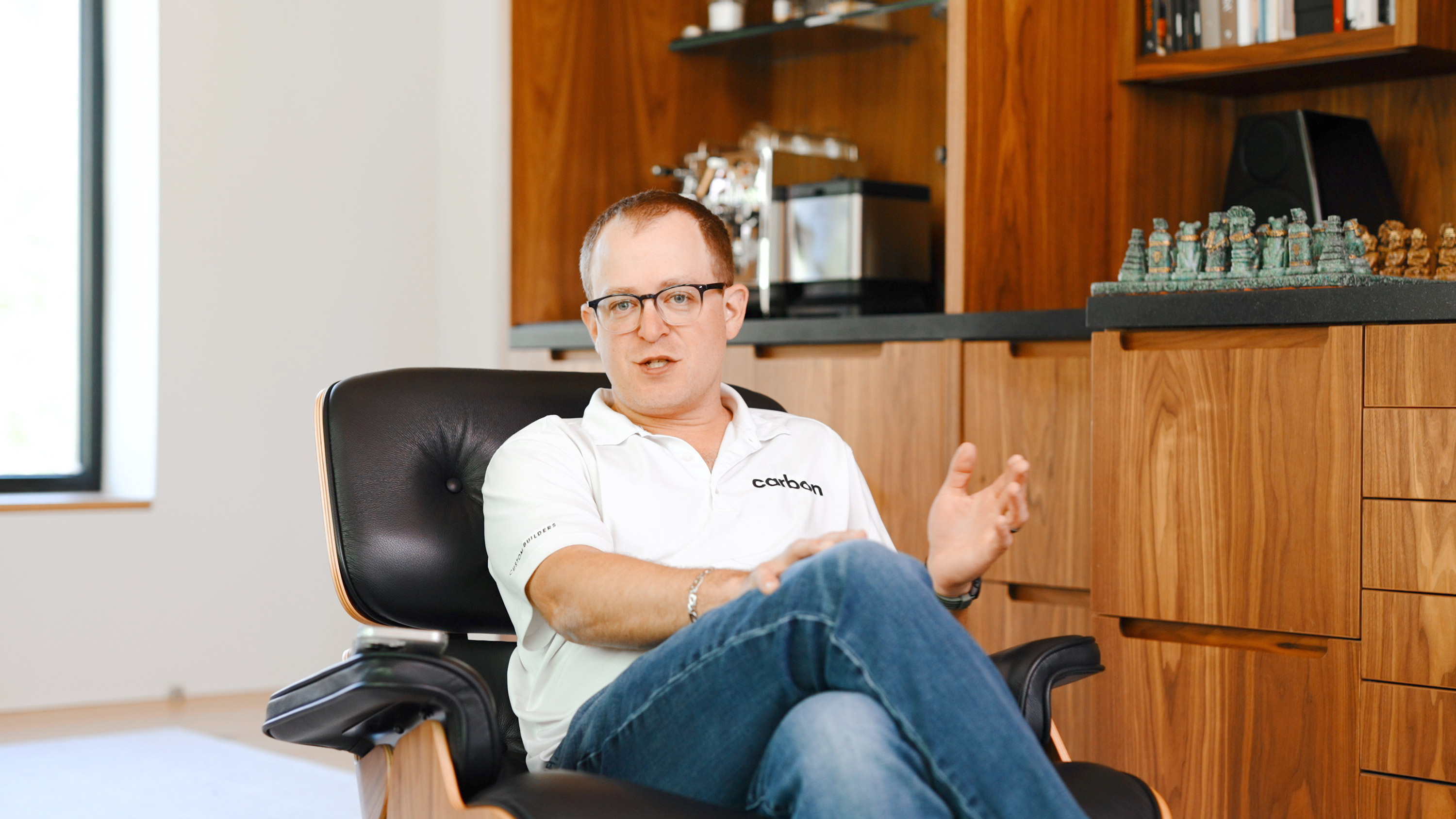
In custom homebuilding, progress is often measured by what’s visible on site: foundations, structure, and finishes coming together. But as Carbon Founder and CEO Sam Fertik recently discussed on The Builder’s Table podcast, many of the decisions that most influence how a home performs are made well before construction begins.
At Carbon, we see pre-construction as an essential phase of the process - not because it replaces what happens on site, but because it helps ensure that construction unfolds with greater clarity, coordination, and fewer unknowns.
Alignment, Clarity, and Fewer Unknowns
Pre-construction is where architects, builders, consultants, and clients can align early around shared goals. Design intent, performance targets, budget considerations, and scheduling realities are discussed together, rather than sequentially.
This early alignment doesn’t eliminate complexity, but it helps teams anticipate it. Construction will always involve variables; the role of pre-construction isn’t to remove them entirely, but to reduce unnecessary risk and last-minute decision-making.
By resolving key technical questions early, from assemblies and sequencing to coordination between trades, the team can spend more time building and less time reacting. As Sam notes in the podcast, this often leads to fewer mid-stream changes and a calmer, more predictable experience for everyone involved.
Designing for Performance
Some of the most important aspects of a home — energy performance, durability, comfort, and resilience — depend on early planning. Pre-construction provides the opportunity to think through how structure, envelope, and systems work together before those elements are locked in.
Rather than treating performance as a checklist item, it becomes part of the broader design conversation, informing decisions without overpowering them. This integrated approach supports homes that feel quieter, more stable, and more comfortable over time.
A More Confident Path Forward
Pre-construction isn’t about controlling every outcome. It’s about creating a shared understanding before the most consequential work begins.
For clients, that often means clearer expectations and fewer surprises. For architects and builders, it creates a stronger foundation for collaboration. And for the home itself, it supports a build process that feels measured rather than reactive.
As Sam reflects on The Builder’s Table, building well is rarely about a single phase or decision. It’s about making thoughtful choices, at the right moments, to support the best possible outcome.


Interested in building a home that performs as well as it looks? Get in touch with the Carbon team to start the conversation about your project.