Reflecting on the role the built environment plays in shaping sustainability
On 26 January, the United Nations marks the International Day of Clean Energy, a global moment to recognise the importance of clean, reliable energy in tackling the climate crisis and supporting long-term resilience.
In outlining the purpose of the day, the UN highlights the building sector as a critical area where the increased use of clean energy can drive meaningful change. Given the scale and longevity of the built environment, how homes are designed, constructed, and powered has a lasting impact—both on energy consumption and on the people who live within them.
At Carbon, clean energy isn’t an add-on or an afterthought. It’s considered from the outset, alongside structure, performance, and longevity. High-performance building envelopes, all-electric systems, and geothermal heating and cooling allow our homes to reduce energy demand first, then meet what remains with cleaner, more efficient solutions. We explore this approach in more detail in Luxury Living with Unmatched Energy Efficiency.
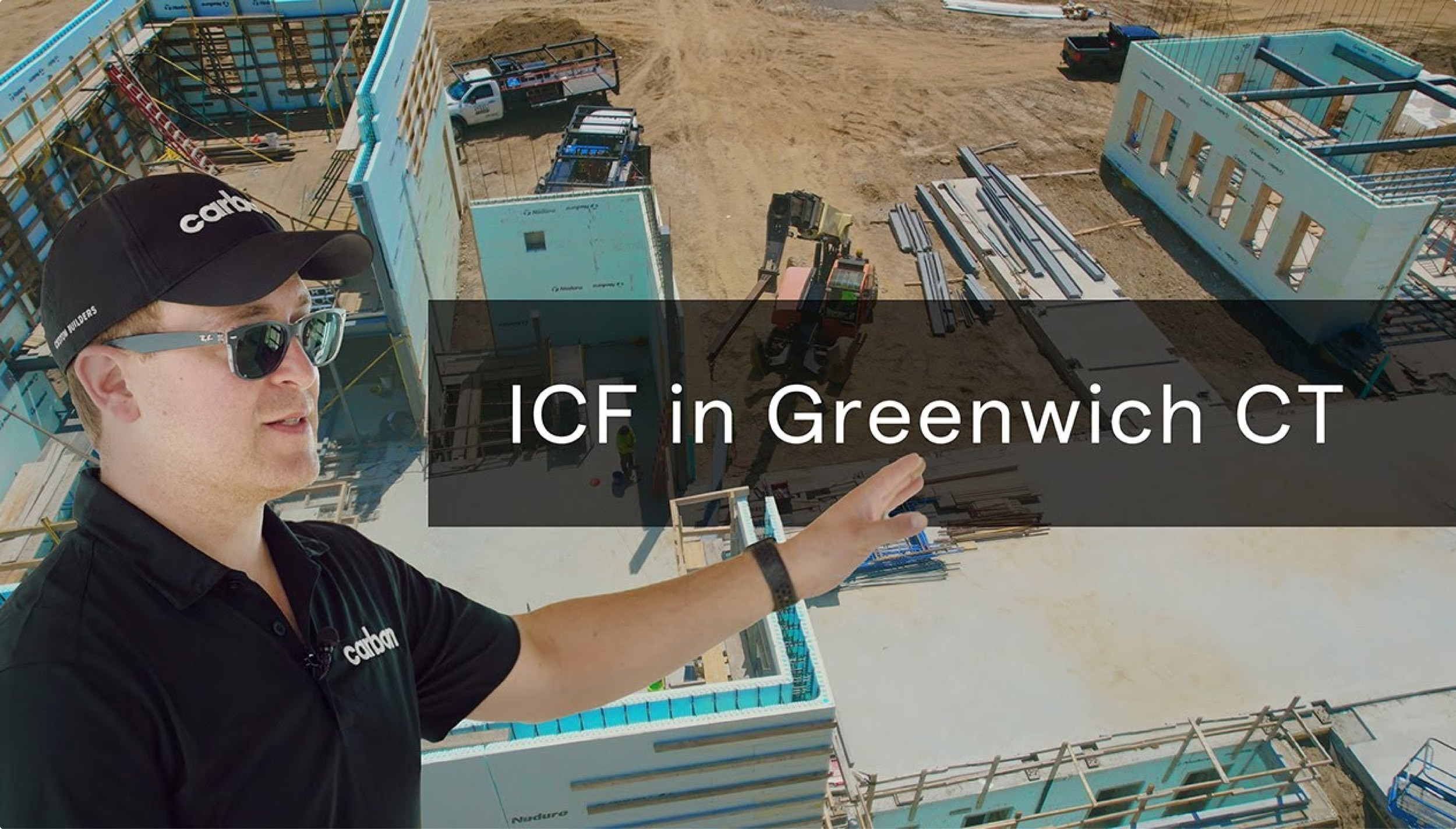
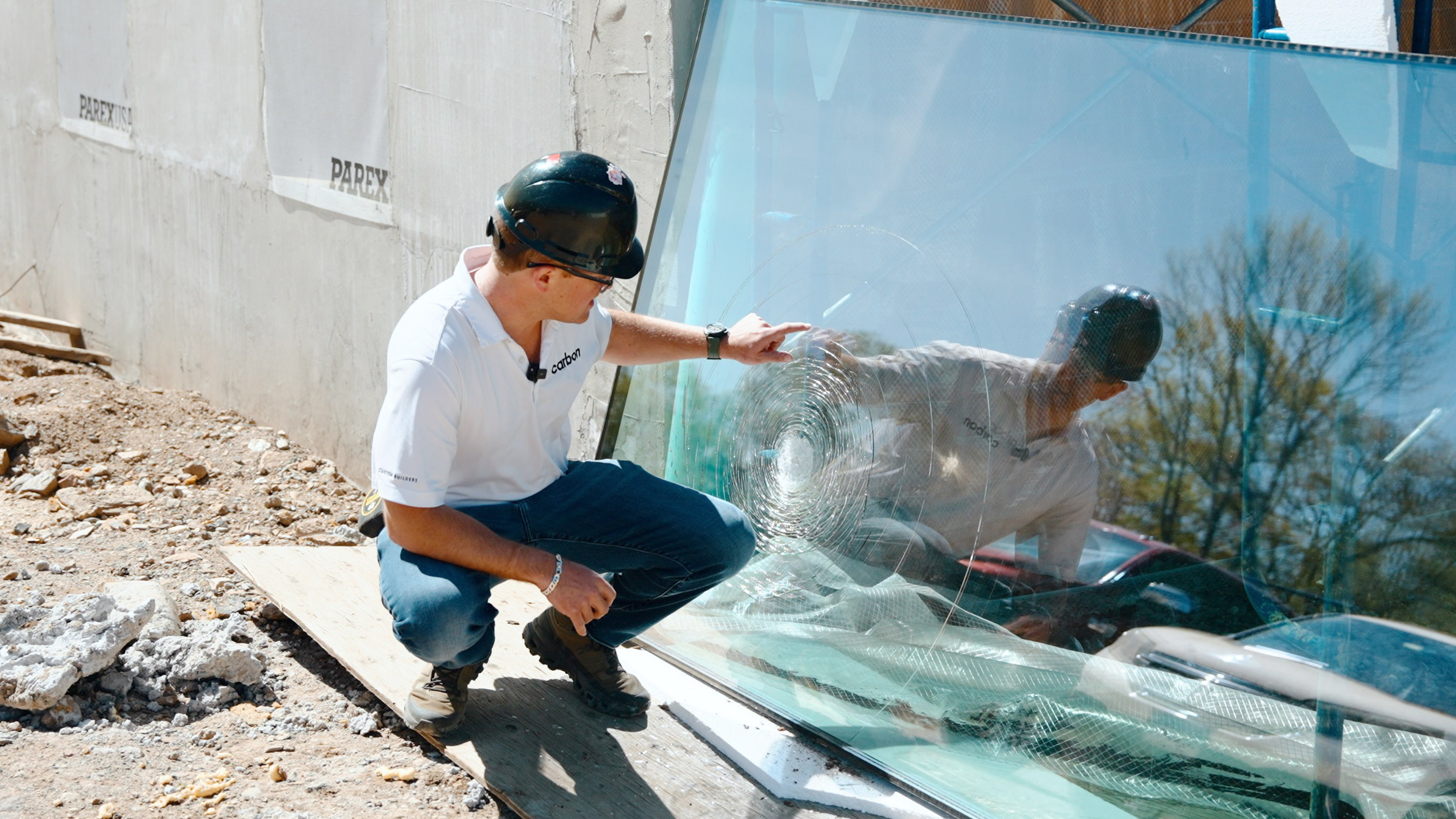
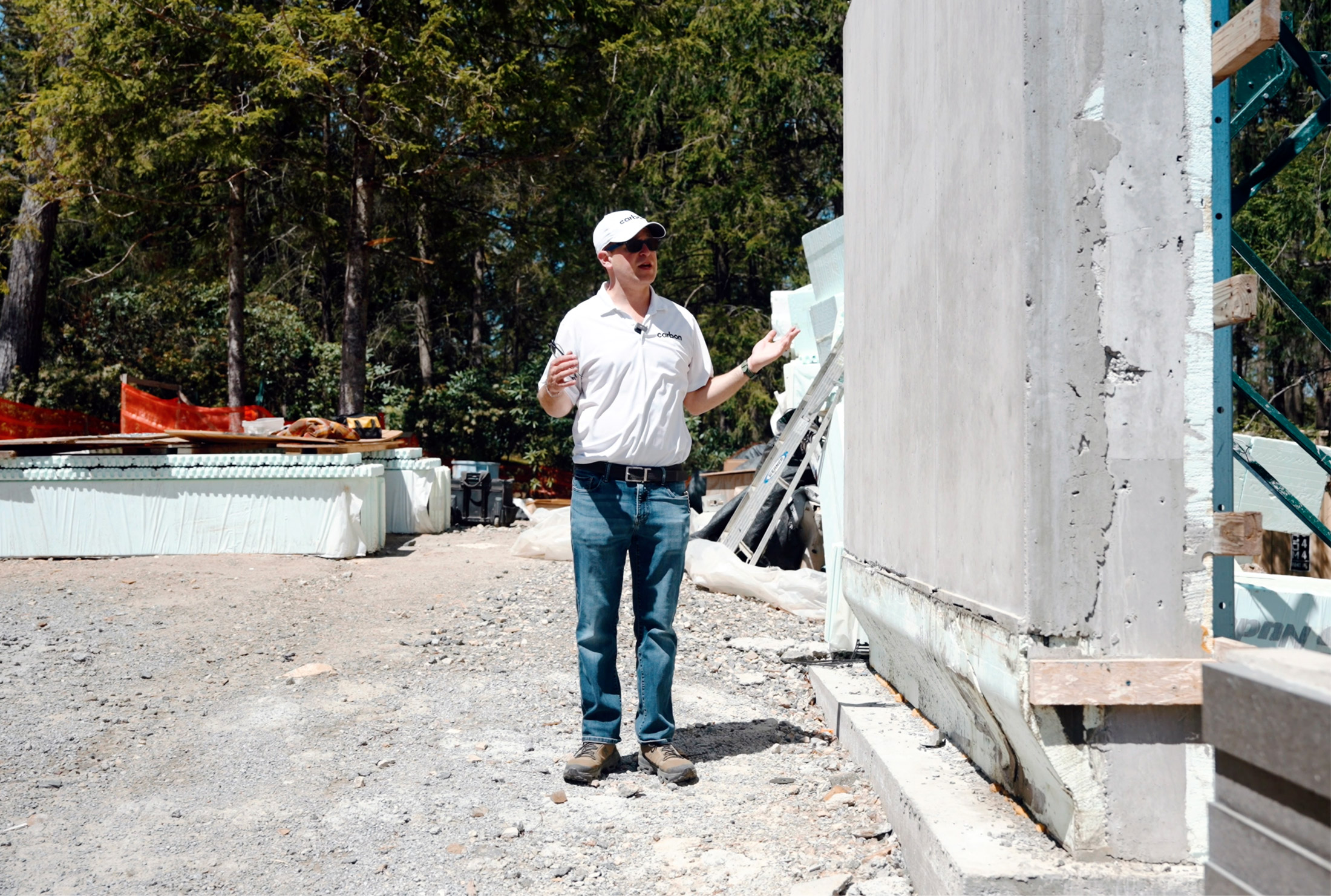
Well-designed homes don’t rely on excess. Thick insulated walls, airtight construction, advanced glazing, and carefully engineered systems work together to create environments that are calm, comfortable, and resilient—while significantly lowering operational energy use over time. As climate conditions continue to shift, that same performance-led approach also supports long-term durability, a topic we examine further in Built to Endure: Designing Homes for a Changing Climate.
Today, on the International Day of Clean Energy, we take a moment to acknowledge the responsibility - and the potential - of our industry. Building smarter today is one of the most direct ways to support a more sustainable future tomorrow.


Interested in building a home that performs as well as it looks? Get in touch with the Carbon team to start the conversation about your project.