

We explore why building new offers a level of control, performance, and resilience that buying rarely can
TL;DR: Most people treat the building vs. buying decision as a question of convenience or upfront cost. But for those building at the level Carbon works at, it's really a question of control: over design, performance, resilience, and how a home will feel to live in for decades. This post makes the case for why building new, done right, is the smarter long-term choice.
When people weigh up building vs. buying a home, buying usually feels like the sensible option. It's faster, more familiar, and the price is right there on the listing. Building, by contrast, can feel uncertain, complex, and expensive before you've even broken ground.
But that framing misses the more important question. Not which is quicker or simpler, but what kind of home you're actually getting. When you buy an existing home, you're not just buying a property. You're buying every decision the previous owner made, every material they chose, and every compromise they accepted. When you build, you're choosing differently from the start.
That's the distinction that matters. And it's why, for our clients, building new consistently proves to be the smarter, more intentional path.
Is It Cheaper to Build or Buy a Home?
The assumption that buying is cheaper no longer holds up. As of Q2 2025, existing homes were selling for a median of $429,400 nationally, while new builds averaged $410,800, making existing homes the more expensive option in many markets. That gap is the largest recorded difference where existing homes have exceeded new construction costs.
But the more important point is that the listing price of an existing home is only the beginning. Roof replacement can run $10,000 to $15,000. An aging HVAC system costs $8,000 to $12,000 to replace. Older homes built before 1980 average 15 to 25% higher total renovation costs than newer construction, driven by hidden issues in electrical systems, plumbing, and foundations that only surface once walls are opened.
When you build, you know exactly what you're paying for and why. There are no inherited unknowns. Cost is tied directly to design and quality, and the transparency of that process is something buying simply can't offer.
What You Inherit When You Buy
Every existing home carries a history. Some of it is visible. Much of it isn't.
The layout was designed for someone else's life. The structure reflects the building standards of another era. The average age of a home in the United States is now 40 years, which means the majority of existing homes were built before modern energy codes, before contemporary insulation standards, and well before the climate conditions they're now being asked to withstand.
Even a beautifully finished home can conceal limitations that don't show up on a viewing. Outdated mechanical systems, inadequate insulation, structural compromises made during original construction or subsequent renovations. These aren't always detectable before you've signed. And they can be difficult, disruptive, and costly to address afterwards.
When you buy, you're working within constraints set by someone else. You can renovate, upgrade, and adapt. But you can't always change the bones.
What Does It Actually Mean to Build With Intention?
Building with intention means every decision in your home, from structure to systems to finishes, is made for how you want to live. There are no inherited compromises, no unknowns behind the walls, and no retrofitting of systems that were never designed to work together. The home functions as a cohesive whole because it was designed that way from day one.
At Carbon, that means engineering, architecture, and craft working in lockstep before a single foundation is poured. We think about how the structure will perform thermally, acoustically, and structurally from the earliest design conversations. We think about how the mechanical systems will interact with the building envelope. We think about how the home will feel to live in on a Tuesday morning in January, not just how it looks in the photographs.
That level of alignment isn't something you can retrofit into an existing home. You can improve it, but you can't replicate it. A healthier living environment, one that supports the wellbeing of the people inside it, starts with decisions made at the structural level. Not as an afterthought.
Why Resilience Is No Longer Optional
For years, building a resilient home was considered a premium consideration. Something you did if you wanted to, not something you needed to. That calculation has changed.
In 2024, there were 27 weather and climate events in the United States that each caused more than $1 billion in losses, with a combined total of $182.7 billion in damage, according to NOAA. The average age of the US housing stock means the majority of those homes were not built for the conditions they faced. Homeowners insurance premiums rose 27% nationally between 2021 and 2024, and in high-risk states like Florida, increases have been far steeper. Some homeowners are seeing premiums double or triple over just a few years.
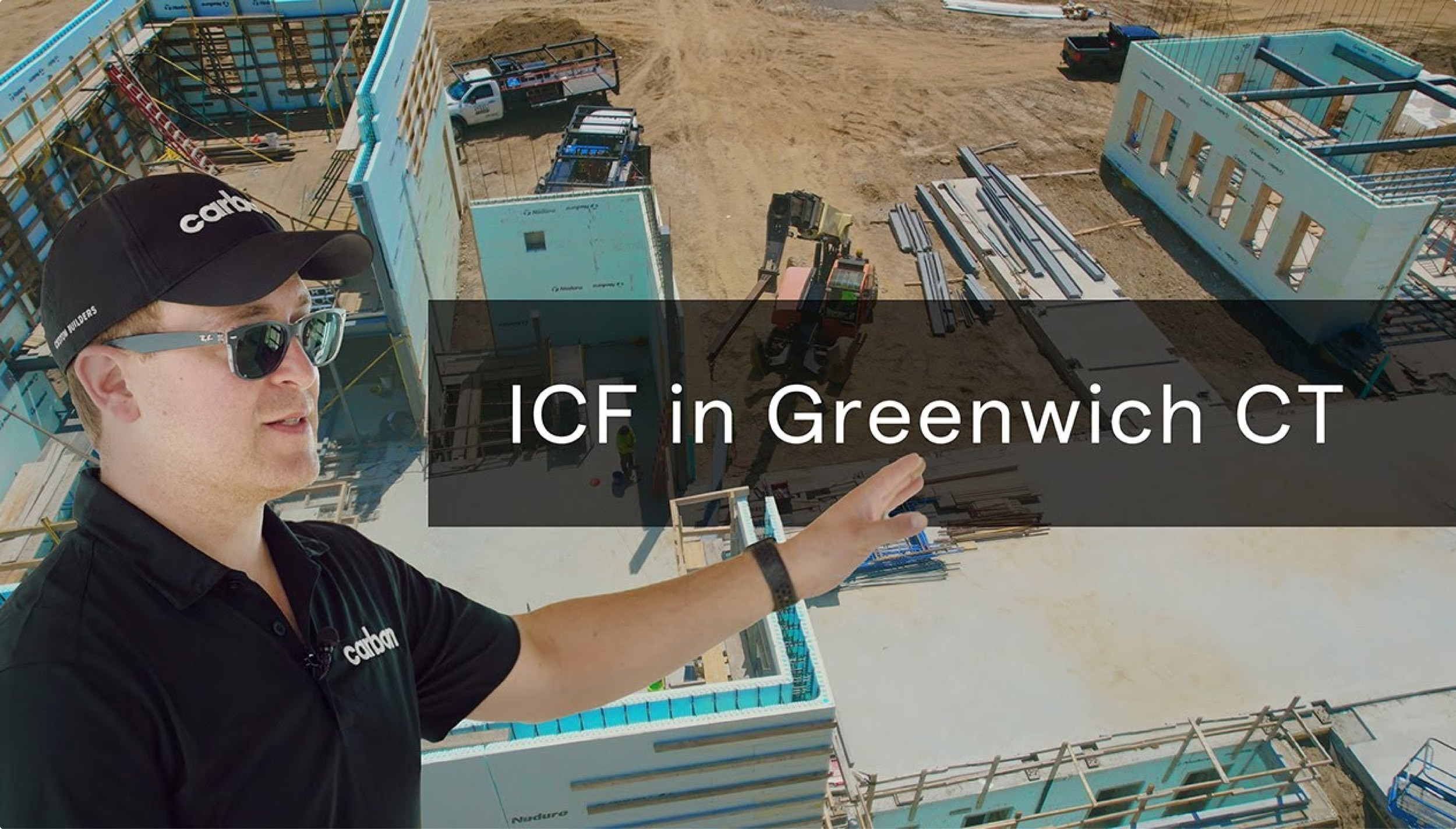
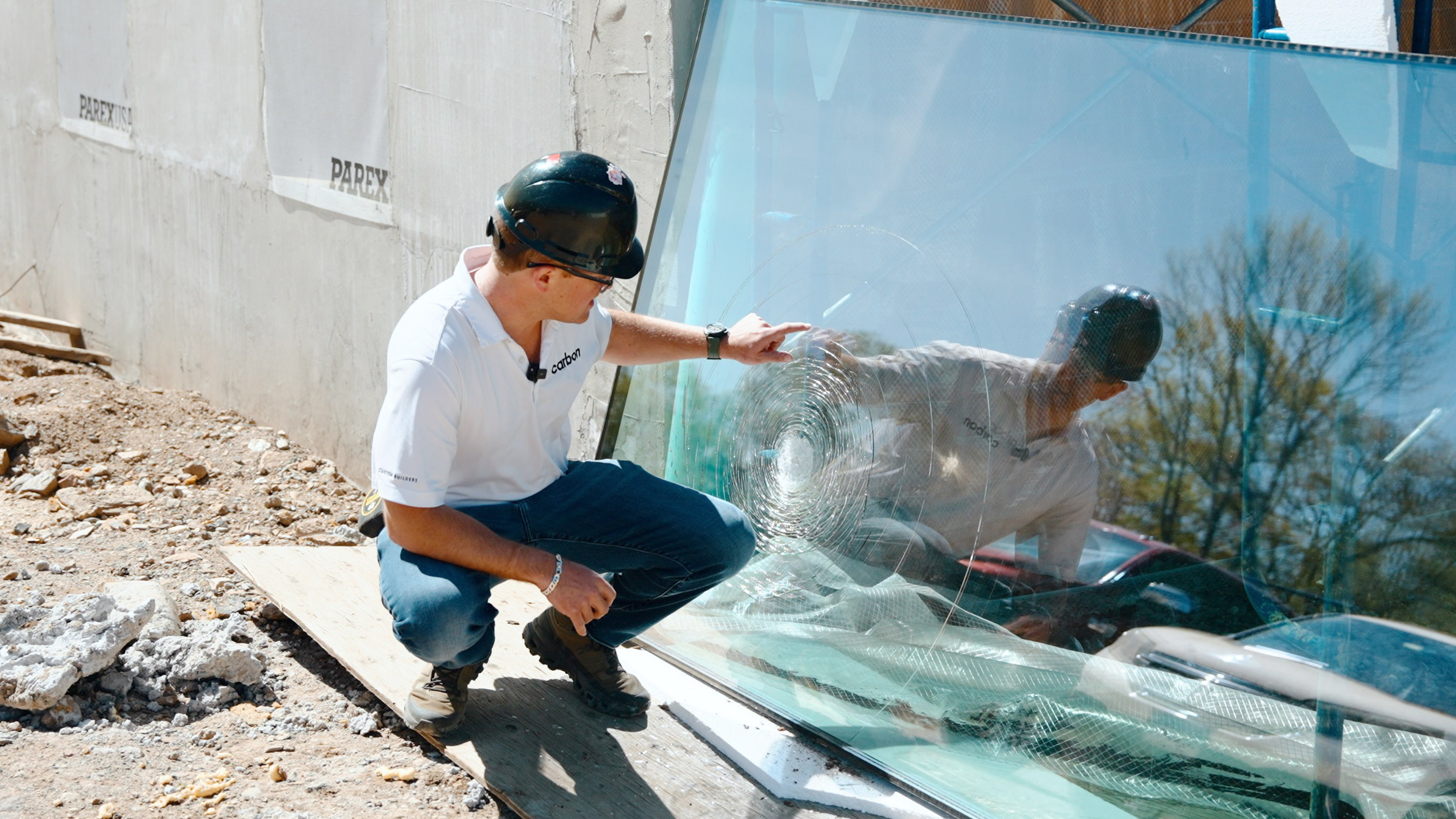
Building new is the only way to embed resilience into the structure itself, not add it on as an afterthought. Our use of steel framing, Insulated Concrete Forms (ICF), triple-pane glazing, and rigorous multi-layer waterproofing systems creates homes that are inherently more resistant to fire, flood, wind, and temperature extremes. These systems protect the building. More importantly, they protect the people inside it.
This approach was recently highlighted in Forbes, where Carbon Founder and CEO Sam Fertik discussed how material choice plays a critical role in disaster-resistant construction. The principle is straightforward: homes built with strength, redundancy, and performance in mind are far better equipped for a changing climate. For our clients building in coastal regions like South Florida, or in areas across the Northeast increasingly exposed to extreme weather, this is no longer a theoretical consideration. It's a practical one.
The Long-Term Cost of Getting It Wrong
The upfront comparison between building and buying misses most of the financial picture. The real calculation plays out over years, not at closing.
New construction homes typically cost 30 to 50% less to run monthly than comparable older homes, thanks to modern insulation standards, high-performance glazing, and efficient mechanical systems. Across a five-year period, those energy savings, combined with the lower maintenance demands of a new home, mean new construction often comes out $30,000 to $50,000 ahead of an equivalent older home. That's before accounting for the cost of major system replacements that older homes typically require.
Building new also means avoiding the renovation trap. American homeowners spent more than $600 billion on home renovation in 2024, according to a report from the Joint Center for Housing Studies at Harvard University, 50% higher than pre-pandemic levels. Much of that spend goes toward catching up with what a new build would have included from the start.
Carbon homes are engineered to be extraordinarily energy-efficient, with no hot or cold spots, no drafts, and a level of control over the indoor environment that dramatically reduces ongoing running costs. That performance doesn't cost more. It comes from better design, made possible by building from scratch.
What Makes a Carbon Home Different
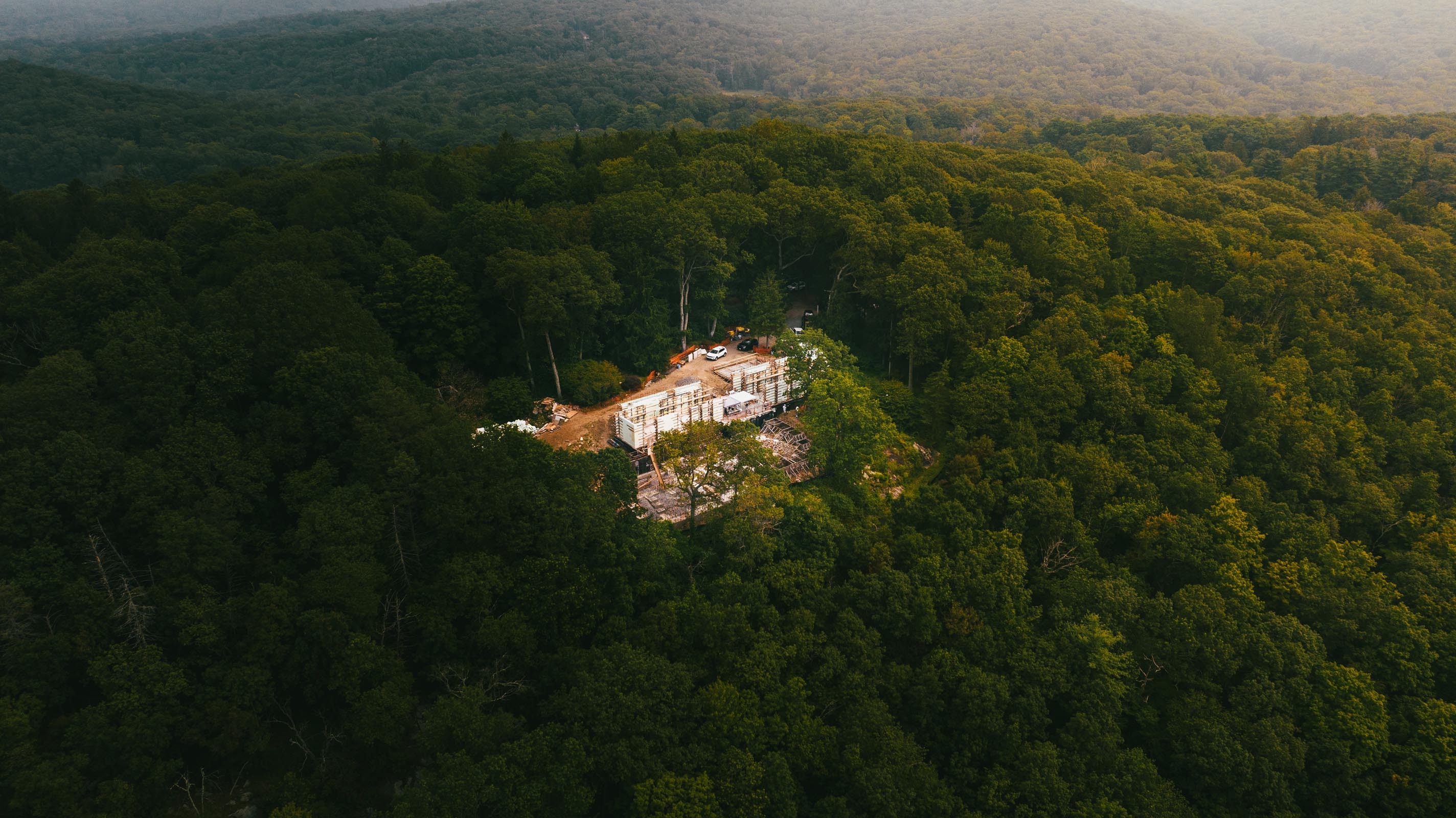
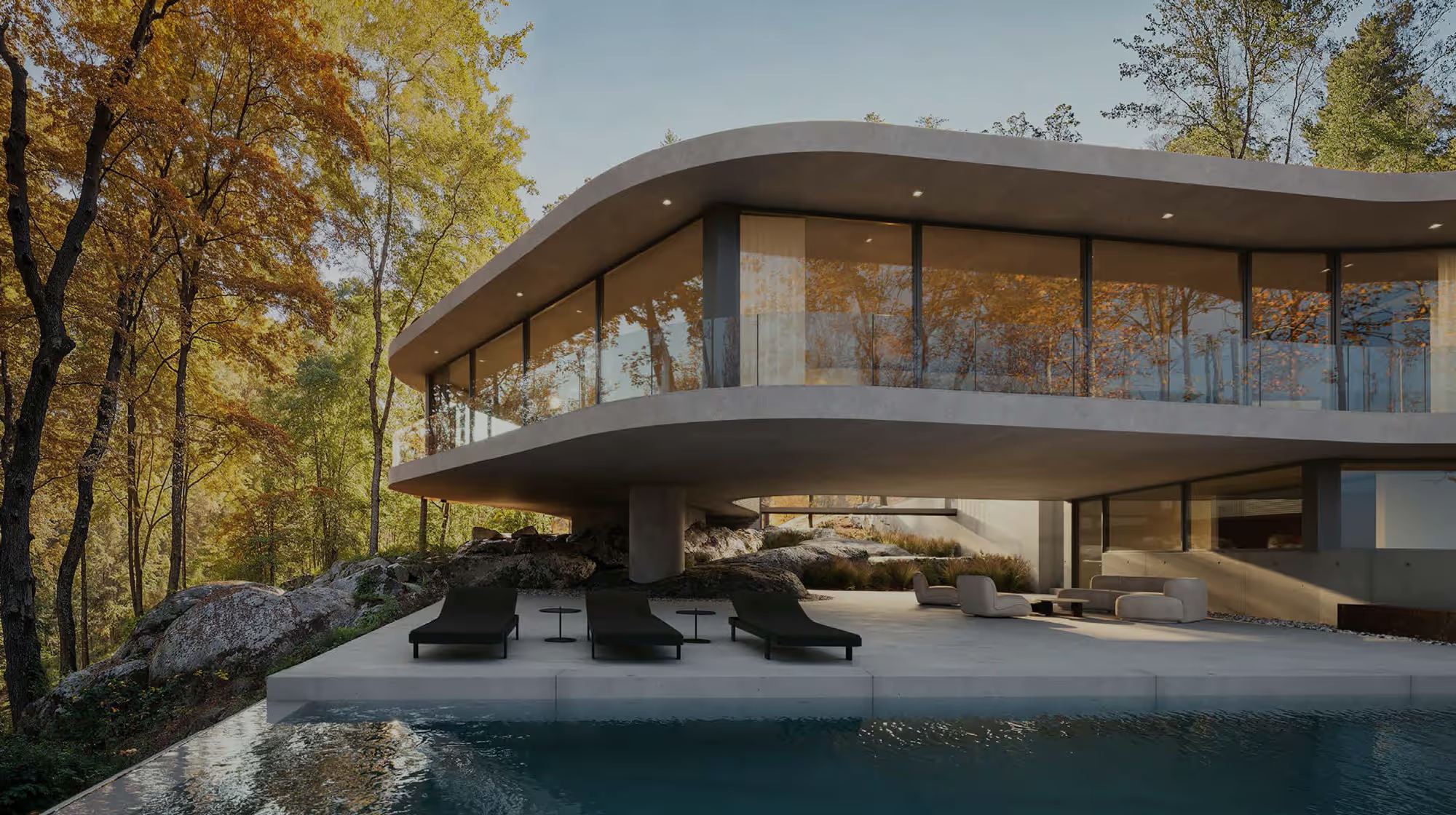
When Sam built his own family home in Pound Ridge, New York, it was a chance to prove what building without compromise actually looks like at scale.
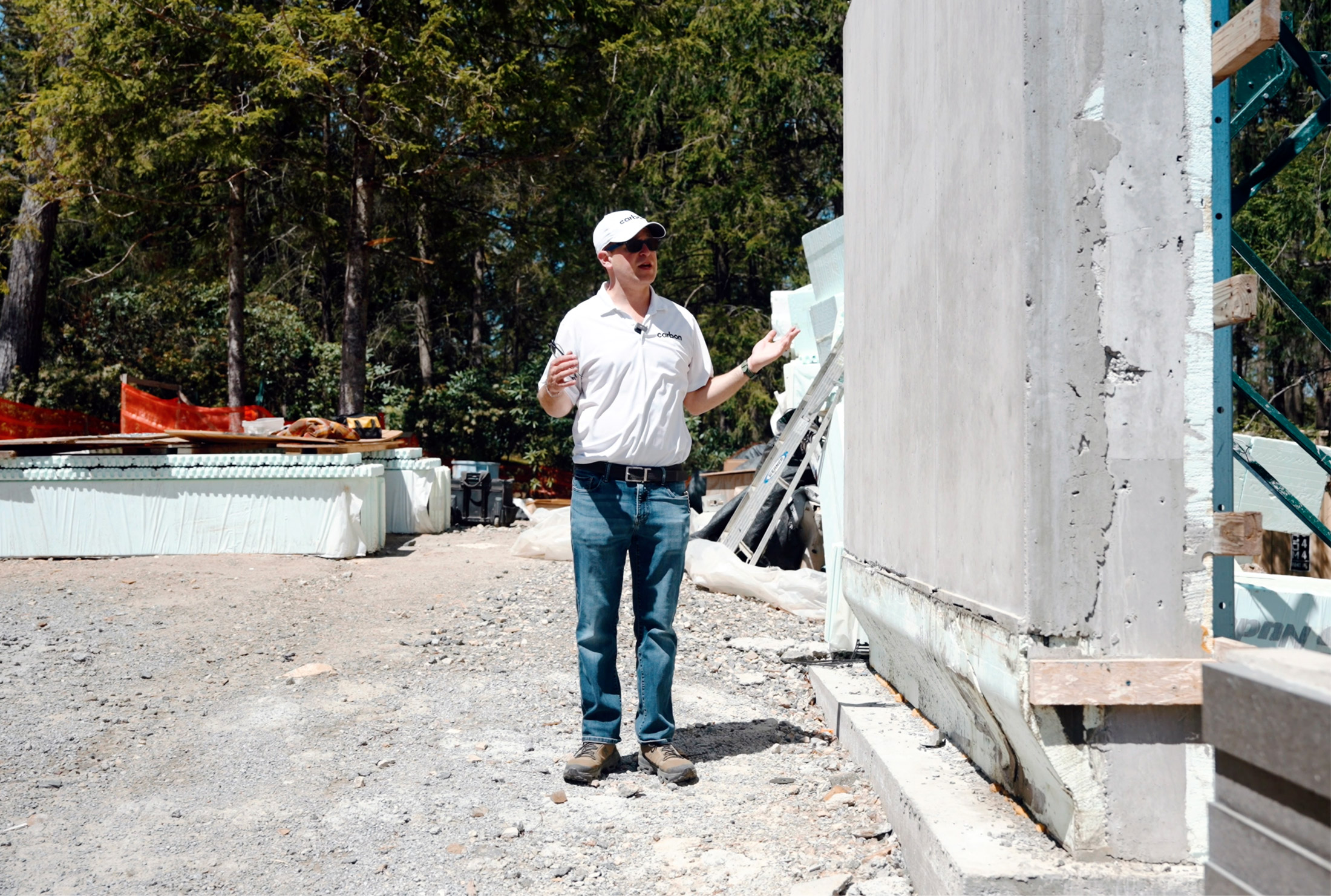
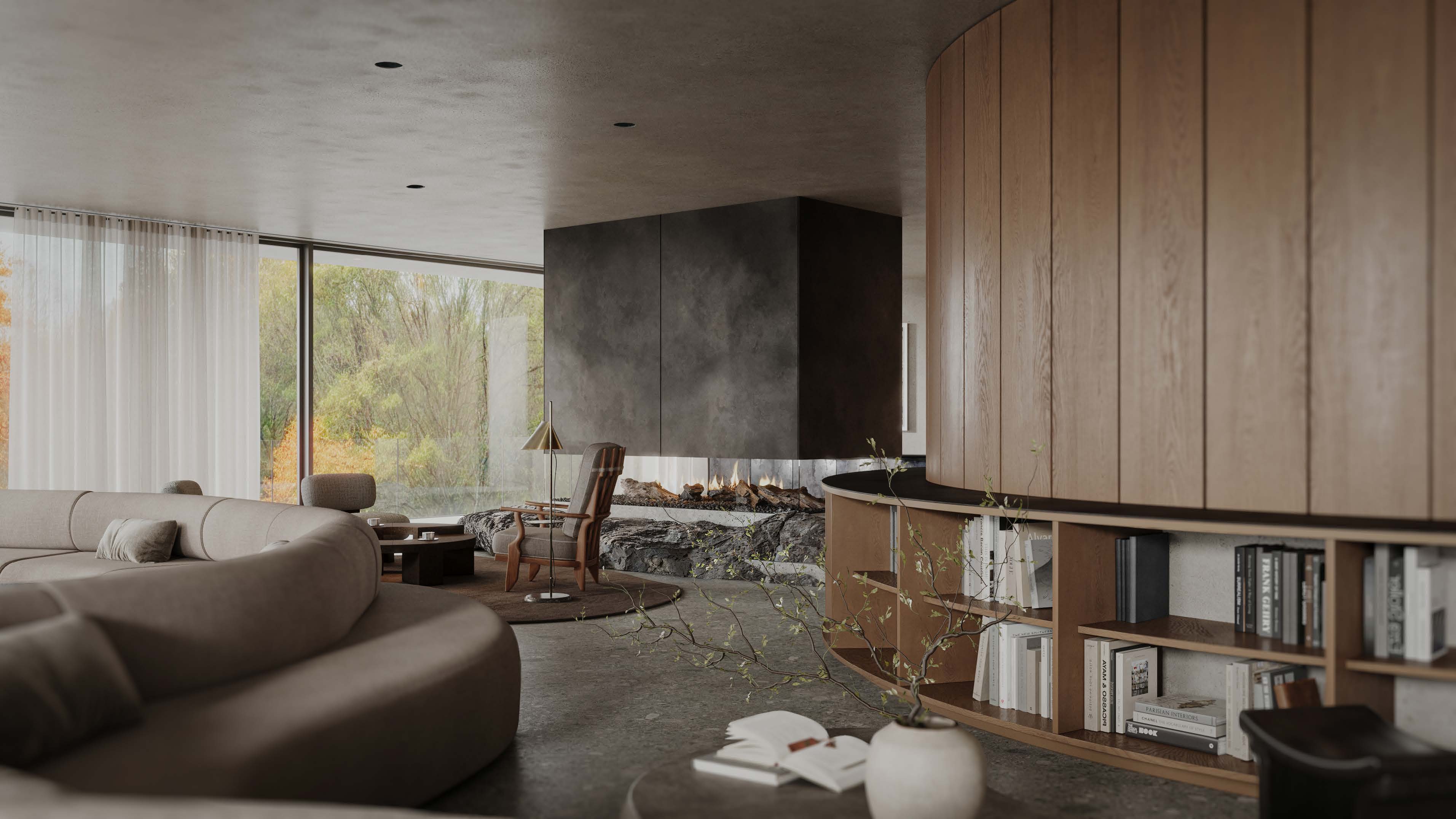
Carbon Home Zero is 11,750 square feet. The ICF walls are rated at R-70, over four times the thermal efficiency of a standard stick-built home. Half the exterior features R-8 triple-pane European windows, three times more efficient than standard US models. The geothermal HVAC system with radiant floors was cost-effective within two years through available tax credits. Interior lime plaster sequesters carbon and improves air quality. No VOC paints or toxic adhesives were used anywhere in the build.
The result is a home that performs as well as it looks. Quiet, thermally stable, genuinely healthy to live in, and built to endure. It's the kind of performance that only becomes possible when you control every decision from the ground up.
Building isn't faster or simpler than buying. We won't pretend it is. But for clients who want a home that truly reflects how they want to live, performs to a standard no existing home can match, and will hold its value and its structure for generations, building is the only way to get there.
Frequently Asked Questions
Is it cheaper to build or buy a home in 2025?
It depends on how you measure cost. As of Q2 2025, existing homes were selling at a higher median price than new builds in many markets, reversing the historical assumption that buying is always cheaper upfront. Over the longer term, new construction typically costs significantly less to run and maintain. Lower energy bills, fewer major system replacements, and reduced maintenance mean new builds often come out substantially ahead over a five to ten year horizon.
How long does it take to build a custom home compared to buying an existing one?
Buying an existing home can close in 30 to 45 days if financing is in place. Building a custom home typically takes 7 to 14 months from breaking ground to completion, with additional time required for design, planning, and permitting before construction starts. For clients building at Carbon's level, the pre-construction process is where much of the value is created: detailed design coordination, engineering, and planning that ensures the build itself runs efficiently and without costly surprises.
What are the hidden costs of buying an existing home?
The listing price rarely reflects the true cost of ownership. Older homes built before 1980 average 15 to 25% higher total renovation costs than newer construction due to hidden issues in electrical, plumbing, and foundations. Roof replacement, HVAC upgrades, re-insulation, and window replacements can collectively add tens of thousands of dollars to the real cost of an existing home, often within the first five years of ownership.
How does building new protect against extreme weather?
Building new is the only way to embed resilience into the structure from the start. Materials like steel framing and ICF create walls that are up to ten times stronger than wood-framed construction, with a fire resistance rating of up to four hours compared to 45 minutes for timber framing. ICF walls can withstand wind speeds of up to 250 mph, and the airtight concrete core resists flooding, mold, rot, and pest infiltration. These protections can't be meaningfully retrofitted into an existing structure.
What makes a custom-built home more energy efficient than an existing one?
New construction allows every element of the building envelope to be designed for performance: continuous insulation without thermal bridging, airtight construction, high-performance glazing, and mechanical systems sized and specified for the specific home. New construction homes typically use 30 to 50% less energy to heat and cool than comparable older homes. In a Carbon home, those gains are amplified further through ICF walls, triple-pane European glazing, and geothermal HVAC systems that together produce a building envelope well beyond standard code requirements.


Interested in building a home that performs as well as it looks? Get in touch with the Carbon team to start the conversation about your project.