Today's most discerning homeowners are redefining what luxury means. The shift is moving away from prestige and square footage, toward homes designed with intention around the lives they support.
TL;DR: Even as broader housing markets cool, luxury real estate continues to move with confidence in 2026. But the definition of luxury is evolving. Today's high-net-worth buyers are prioritising performance, resilience, and long-term liveability, often across generations. For those clients, building new is increasingly the only way to achieve it.
Even as economic headwinds slow much of the housing market, one segment continues to move with confidence. Luxury real estate remains resilient. According to Sotheby's 2026 Luxury Outlook Report, demand at the top remains strong, with many buyers acquiring second and increasingly third homes. In Florida, a key area of growth for Carbon, 54% of luxury purchases in 2025 were second homes.
But alongside that growth, expectations are shifting. Prestige alone is no longer enough. Today's buyers are looking for something more enduring: homes designed around how they actually live.
"Luxury today is about how a home performs," says Carbon Founder and CEO Sam Fertik. "Our clients want to know their home is comfortable, secure, and built to last. That requires thinking beyond finishes and focusing on the lived experience."
What Is Driving the Shift Toward Building in the Luxury Market?
The luxury market operates with a different mindset. As highlighted in the Sotheby's report, high-net-worth buyers are typically less constrained by geography or short-term economic conditions. They are purchasing lifestyle properties: homes intended to anchor families for years, if not generations.
That shift reframes the decision entirely. When the question becomes "what do I want" rather than "what can I find", building new becomes the logical answer.
It allows every structural decision, material choice, and system to align with how a client intends to live, rather than inheriting a series of compromises embedded in an existing home. We've explored this in depth in our piece on why building new consistently outperforms buying for clients taking a long-term view.
Security and Privacy Are Now a Baseline, Not a Luxury
Security and privacy have become foundational expectations. Sotheby's research shows that 81% of luxury buyers now rank them as a major consideration.
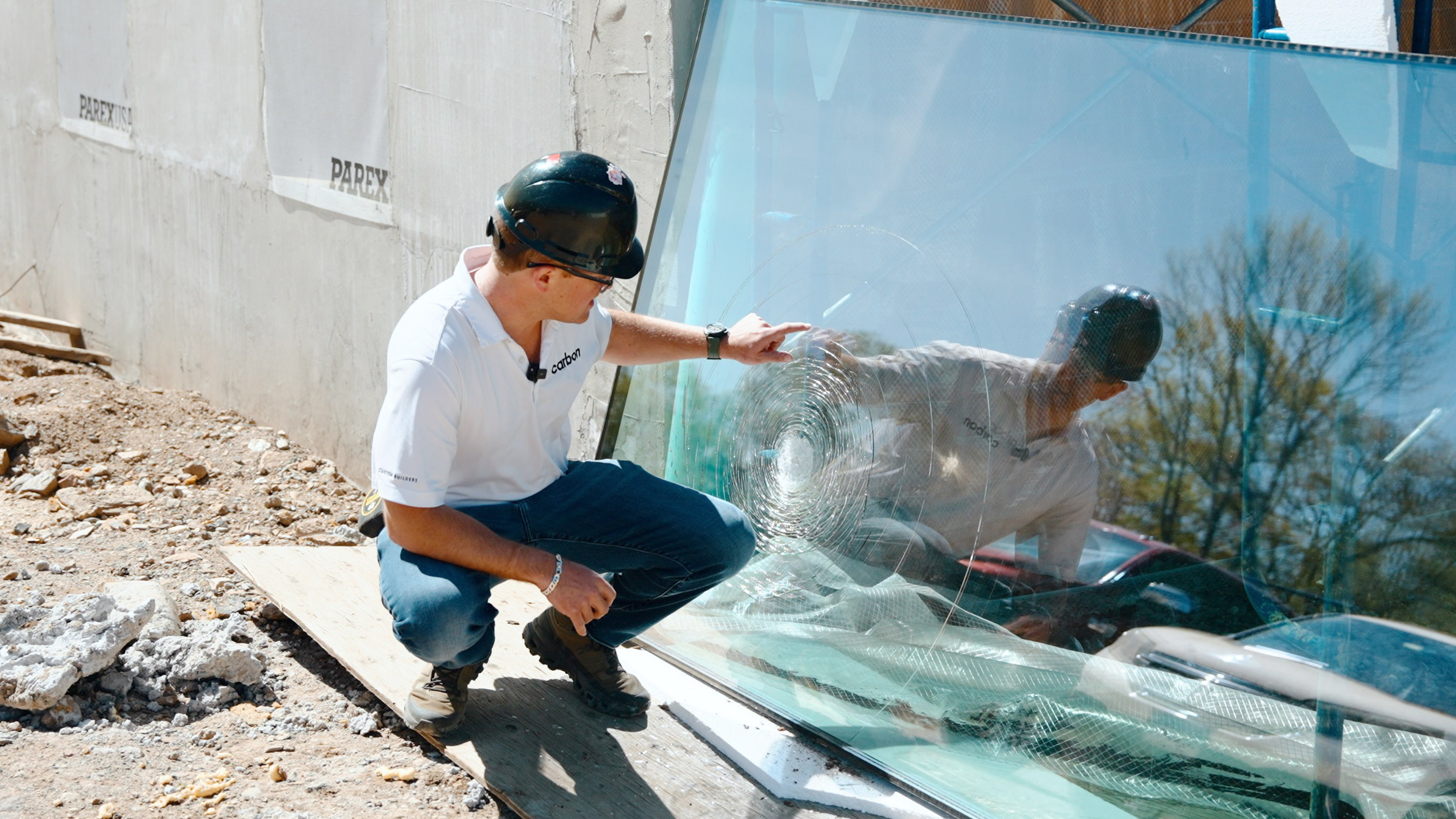
In practice, that means moving beyond add-ons. Whole-home backup power, discreet monitoring systems, impact-rated glazing, and continuous access control are increasingly expected to be designed into the home from the outset.
The difference is significant. A security system applied to a standard home will always be limited by the structure it sits within. When it is considered from day one, alongside glazing, entry points, and power infrastructure, the result is more robust and more seamless. It's part of why we test the limits of high-performance materials and integrate advanced smart home technologies throughout every build.
Resilience Is No Longer Optional for High-Net-Worth Buyers
Climate is no longer a secondary concern. It is a core design parameter.
In 2024 alone, the U.S. experienced 27 separate billion-dollar weather events, totalling $182.7 billion in damage. Over the same period, home insurance premiums rose 27% nationally, with sharper increases in coastal regions.
For high-value homes, resilience is directly tied to long-term value, insurability, and safety. This is where existing housing stock often falls short. Retrofitting can improve performance, but it rarely addresses the underlying structural limitations.
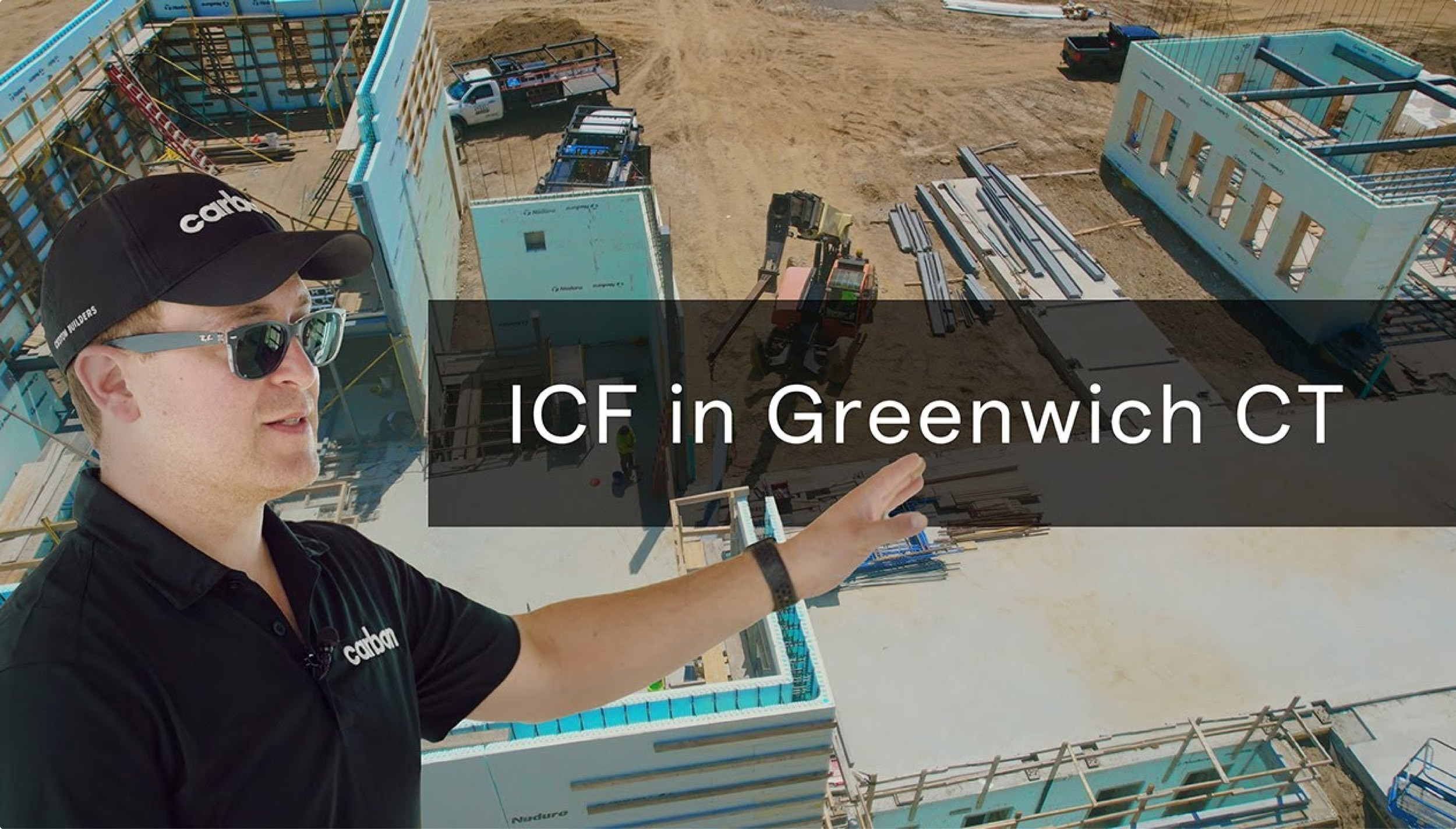
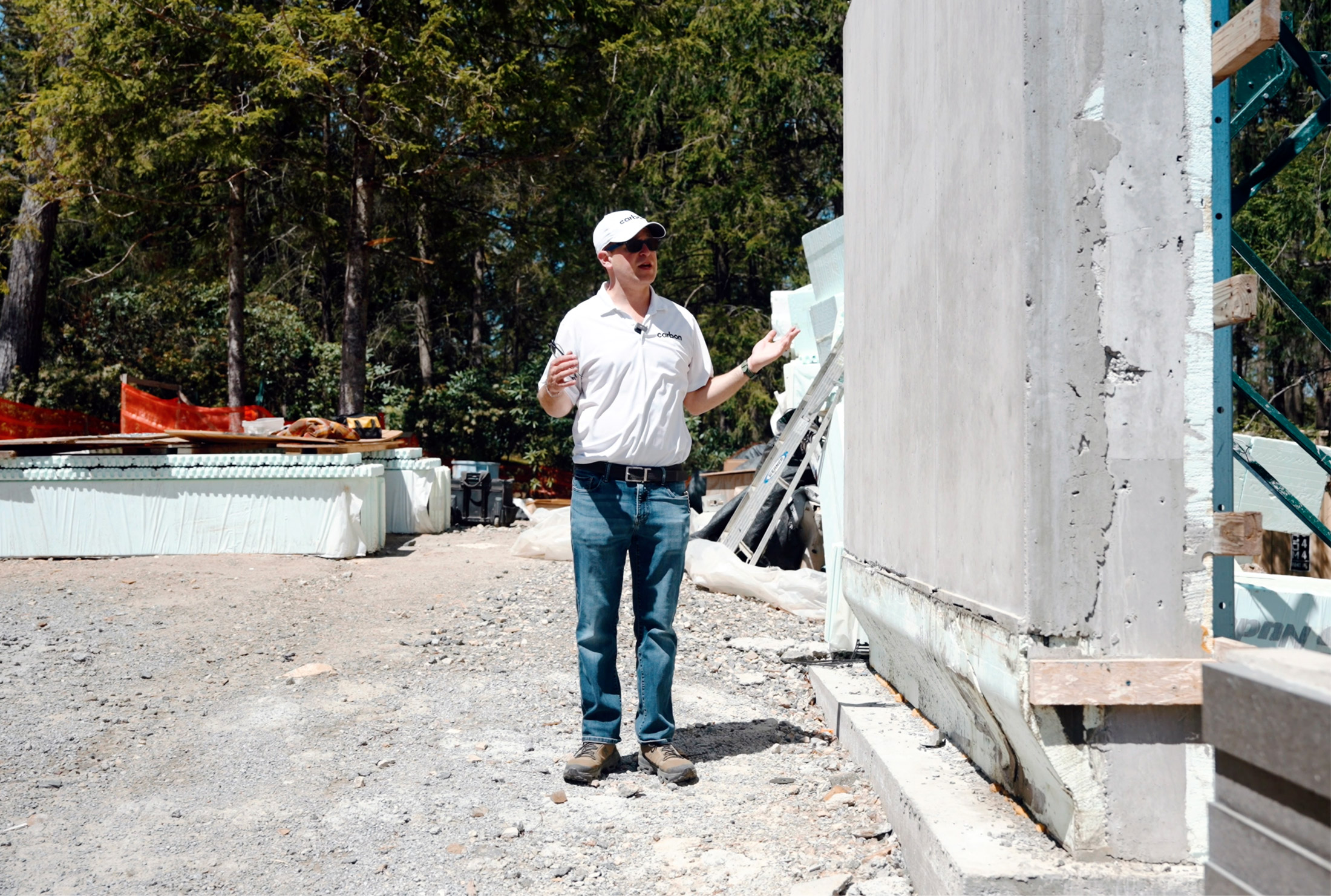
Building new allows resilience to be embedded from the foundation up. At Carbon, our use of Insulated Concrete Forms and steel framing produces structures up to ten times stronger than traditional timber construction, with wind resistance up to 250 mph and significantly higher fire ratings. These are not upgrades. They are baseline decisions that define how a home performs over time. As we explore in Designing Homes for a Changing Climate, the most consequential performance decisions are made at the design stage, not during renovation.
How Are Wealthy Buyers Approaching Multigenerational Living?
Multigenerational living is becoming a defining priority in luxury home design. Families are increasingly planning for homes that can adapt: accommodating extended family, evolving household structures, and long-term legacy.
Existing homes rarely support this without compromise. Layouts are fixed. Systems are sized for past use. Structural constraints limit meaningful change.
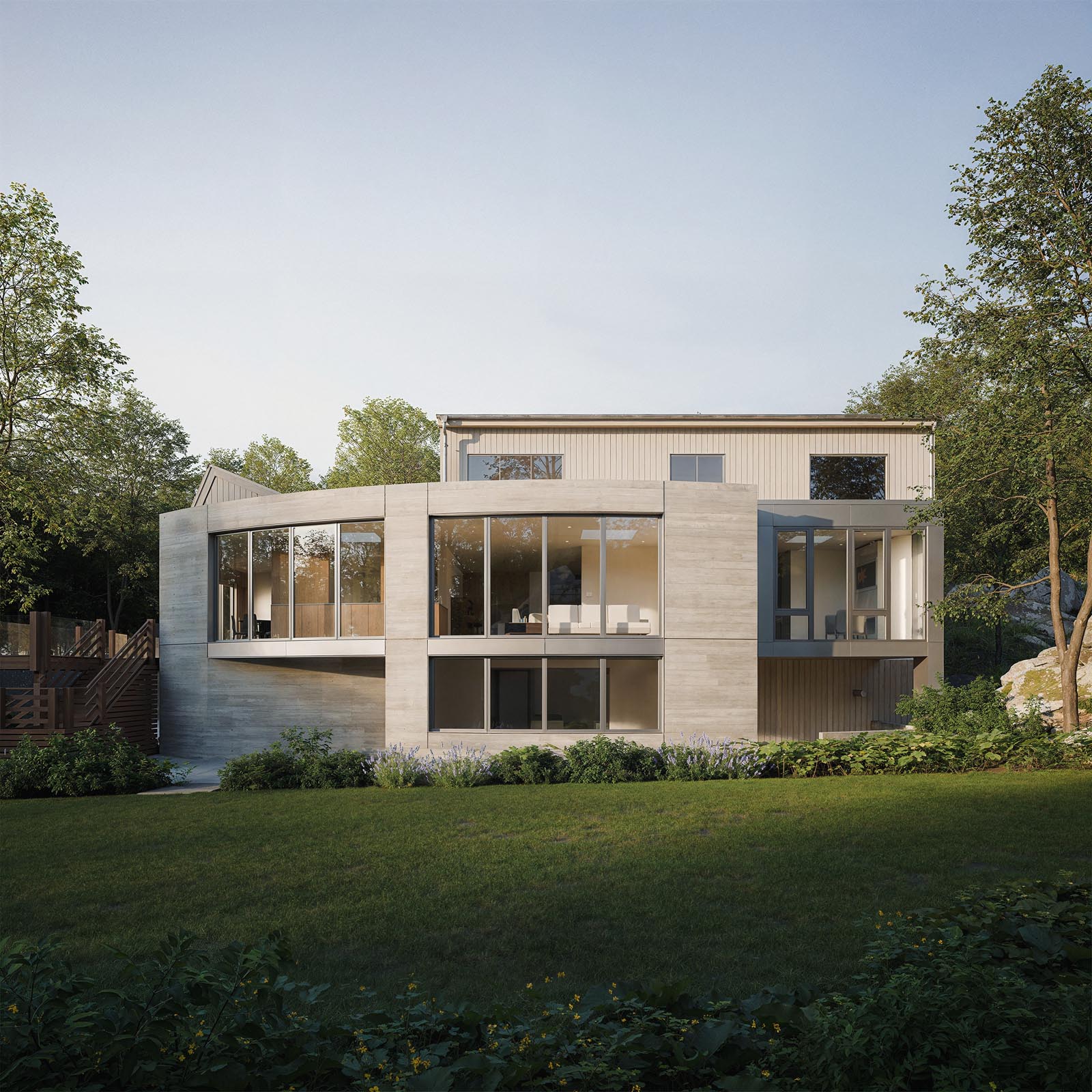
Custom building offers a different approach. Spatial planning can account for how a family's needs will evolve over decades, from private guest wings to accessible ground-floor suites and flexible spaces that adapt over time. Our Stone Country Home project in Woodstock, NY, set on a 25-acre woodland plot, illustrates what that kind of long-range design thinking looks like in practice.
The Aging Housing Stock Problem
Much of today's luxury inventory was built for a different era. The average U.S. home is now around 40 years old, meaning most were constructed before modern energy codes, contemporary insulation standards, and current climate realities.
While finishes can be updated, the core of a home, its structure, systems, and performance, is far harder to change.
For many buyers, that realisation leads to a clear conclusion: building new is the most reliable way to achieve the standard they expect.
For Carbon, the findings from Sotheby's reflect what we have long seen in practice: prestige can be bought. Performance has to be built.
If you want to explore what building a home to this standard looks like in practice, book a consultation with the Carbon team.
A closer look
Why are more luxury buyers choosing to build rather than buy?
Existing luxury homes often come with inherited compromises, from layouts designed for previous owners to structural systems built to outdated standards. For buyers taking a long-term view, custom building offers greater control over performance, layout, and longevity.
What does the Sotheby's Luxury Outlook Report indicate about the market?
The 2026 report highlights continued strength at the top end of the market, with many buyers acquiring additional properties. It also identifies security, privacy, and multigenerational living as increasingly important priorities shaping demand.
How does custom building improve security and privacy?
Security can be integrated into the structure from the outset, including impact-rated glazing, discreet monitoring systems, and resilient power infrastructure. This results in a more cohesive and effective solution than retrofitting features into an existing home.
Why is climate resilience now central to luxury home design?
Rising climate risks and insurance costs mean homes must perform under increasingly demanding conditions. Building with high-performance materials and systems allows resilience to be addressed at a structural level, rather than treated as an afterthought.
What is multigenerational living in the context of luxury homes?
It refers to designing homes that accommodate multiple generations over time, through flexible layouts, private spaces, and accessible design. Custom building allows these needs to be considered from the outset, rather than adapted later.


Interested in building a home that performs as well as it looks? Get in touch with the Carbon team to start the conversation about your project.